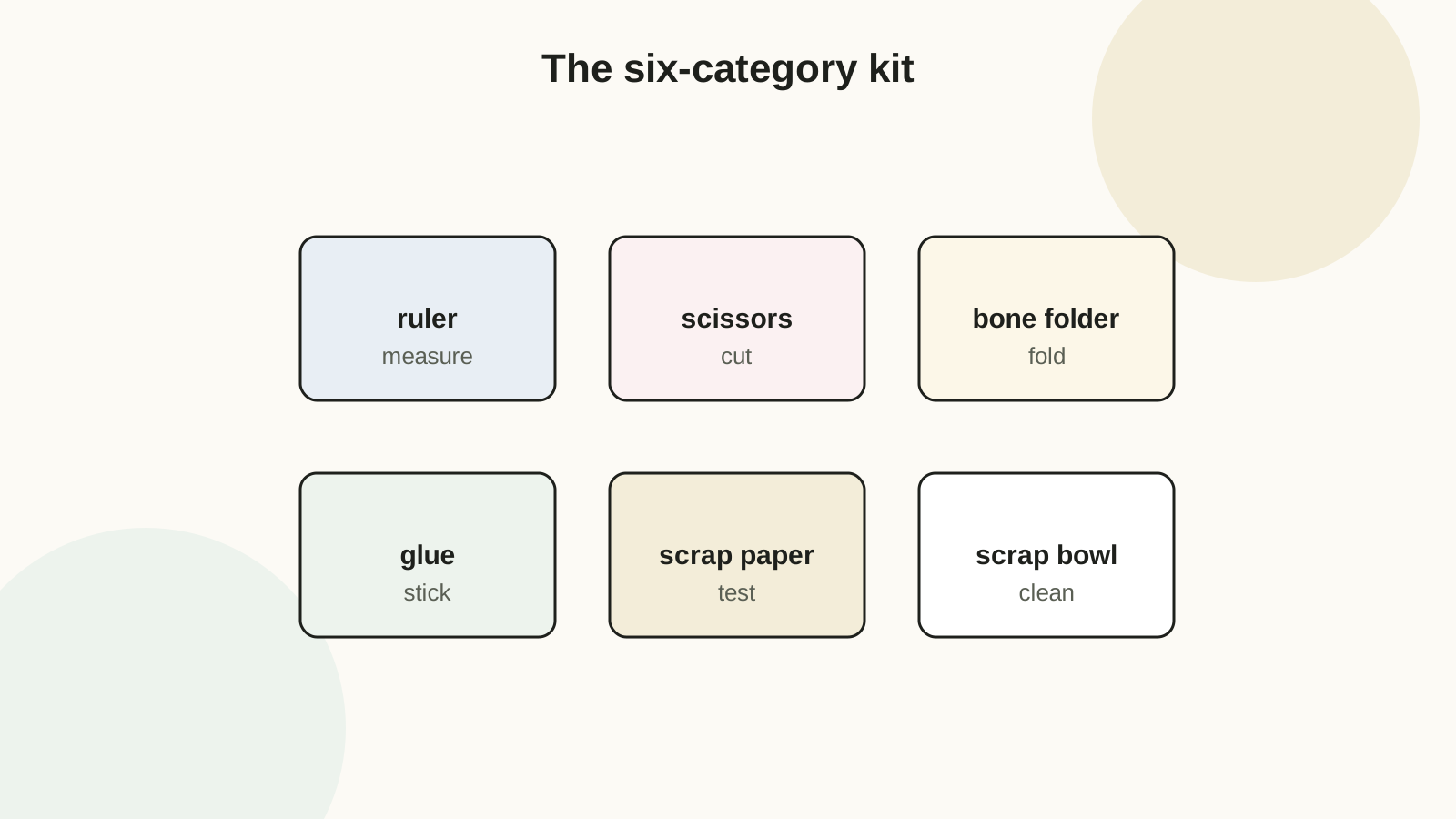
The core kit: six categories
| Category | Useful basics | Why it matters |
|---|---|---|
| Measuring | Metal ruler, pencil, measuring tape | Most craft mistakes start with rough measuring. |
| Cutting | Sharp scissors, craft knife, paper trimmer, spare blades | Clean cuts make simple templates look polished. |
| Folding | Bone folder or scoring tool | Boxes, cards, and envelopes live or die on the score line. |
| Adhesive | Tacky glue, tape runner, double-sided tape, glue dots | Different joints need different grab speed and working time. |
| Testing | Scrap paper, offcuts, plain printer paper | Test pieces prevent wasting the good sheet — the theme of every guide here. |
| Cleanup | Tray, scrap bowl, wipes, resealable envelopes | Cleanup is fast when scraps have a destination. |
That table outfits every template on this site — the flowers, boxes, envelopes, and tags — for well under the cost of one specialty gadget.
Extras, by the craft you repeat
Paper-heavy projects: corner rounder, 3/16 in hole punch, clothespins or clips, and a few flat weights for holding glued pieces. Sort cardstock scraps by color family — scraps become flower centers, test curls, and patches.
Printables: one folder for test prints, one for finals. Label each paper pack with the printer setting that worked (the note-card habit from the printer guide). Store sticker paper, vellum, and specialty stock flat, or it will not feed later.
Paint projects: foam brushes, one soft detail brush, painter's tape, scrap cardboard, and a dedicated water cup that never mingles with paper supplies. Add gesso primer only if raw wood or dark-to-light changes are routine — the math is in the paint coverage guide.
Yarn projects: tape measure, stitch markers, yarn needle, and a small kitchen scale. The scale is the quiet hero — it turns yardage guessing into the swatch-weighing method and settles is-this-partial-skein-enough arguments in ten seconds.
Starter versus upgrade, honestly
| Category | Start with | Upgrade when… | Care that extends its life |
|---|---|---|---|
| Cutting | Detail scissors, craft knife | Batches justify a rotary trimmer or die cutter | Wipe adhesive off blades with rubbing alcohol; swap dull blades early |
| Adhesives | Tacky PVA glue | Party quantities justify a low-temp glue gun | Store bottles upside down; cap between joints |
| Measuring | Metal grid ruler | Boxes and cards justify a scoring board and stylus | Never run a blade against a plastic edge |
| Finishing | Plastic folder, fine tweezers | Frequent cards justify a real bone folder | Clean tips immediately after gluing sessions |
One nuance on folders: genuine bone folders are dense and burnish without shining; plastic ones can leave a glazed streak on dark cardstock. Fold with a scrap of paper between folder and good stock and either works.
What not to buy first
Skip any tool until its project has happened twice. Single-purpose gadgets — the envelope punch board, the tassel maker, the mug press — are wonderful at the thing you may never do again, and their real cost is storage and guilt. Borrow, improvise, or hand-make the first two rounds; if the tool would clearly have saved twenty minutes each time, buy it without remorse. This one rule keeps a craft kit in one tray instead of one closet.
Storage that helps you finish
Organize by task, not by aesthetics: tag-making supplies together, envelope tools together, paint corner separate. Projects start when the first ten minutes are making, not gathering. Two specifics that pay off: self-healing mats stay flat (heat and bending warp the grid permanently — wipe weekly with a damp cloth), and paper scraps roll loosely inside cardboard tubes instead of creasing in a drawer.
Safety, briefly and seriously
- Glue guns: even low-temp glue melts around 250°F. Keep a cup of cold water on the table for instant finger dips.
- Blades: cut away from your body, and change blades the moment the knife drags or skips — dull blades demand pressure, and pressure causes slips.
- Fumes: spray adhesives, sealers, and epoxy work in ventilated rooms or outdoors, no exceptions.
The moment glue, blades, printer paper, or your favorite cardstock runs low, write it down. Running out of a boring supply mid-batch is the fastest way to stall a good project — the refill note is the whole inventory system a home kit needs.
FAQ
How often should cutting machine blades be replaced?
When cuts fray or the machine skips design segments — typically every 30-50 detailed cardstock sheets. Keeping a fresh spare in the drawer costs a few dollars and rescues a Saturday.
What is the single most-skipped useful item?
The scrap bowl. A bowl on the table while you work means cleanup is emptying one bowl, and usable offcuts actually survive to become test pieces instead of floor confetti.
Is a paper trimmer or a craft knife better for a first purchase?
Trimmer, if your projects are straight-edged (tags, boxes, cards): faster, safer, straighter. Knife, if you cut shapes and templates. Most people discover which they are after two projects — which is exactly when to buy.