The estimate: area × stitch factor
Multiply finished width by finished length in inches, then multiply by a stitch factor — yards of yarn per square inch of fabric. For worsted-weight stockinette, garter, or simple crochet, start near 0.7 yd/sq in. Dense texture pushes the factor up; open lace pulls it down. The yardage helper runs this with a buffer built in.
| Fabric detail | Factor adjustment | Why |
|---|---|---|
| Loose lace, open mesh | Down to ~0.5 | Open fabric holds air, not yarn. |
| Garter stitch, dense single crochet | Up to ~0.85 | Texture stacks more yarn per square inch. |
| Cables, bobbles, brioche, ribbing | +20-30% on top | Raised and compressed stitches eat yardage fastest. |
| Fringe, tassels, pompoms | Separate allowance | Decorative ends are invisible to area math — count and measure them. |
Target 8 x 60 in in garter stitch: 480 sq in x 0.8 (garter factor) = 384 yards. Add 12% buffer for tails, gauge drift, and the inevitable ripped-back section → 430 yards. At 220 yards per skein, that is two skeins... just barely — 430 vs 440 available leaves a 10-yard margin. That margin is one bad join, so buy three skeins if the yarn has dye lots, or plan a fringe-free bind-off if you gamble on two.
Sanity-check against typical projects
| Project | Size | Worsted yards | Bulky yards |
|---|---|---|---|
| Classic scarf | 7 x 60 in | 250-300 | 180-220 |
| Beanie | 18 in around, 8 in deep | 150-180 | 100-120 |
| Baby blanket | 30 x 36 in | 800-1,000 | 600-700 |
| Throw blanket | 50 x 60 in | 2,200-2,500 | 1,600-1,800 |
If your area-method estimate lands far outside these ranges, recheck the stitch factor before rechecking the multiplication — the factor is where estimates go wrong.
The swatch method: from guess to knowledge
When the yarn is expensive, discontinued, or hand-dyed — or the finished size actually matters — replace the estimate with measurement:
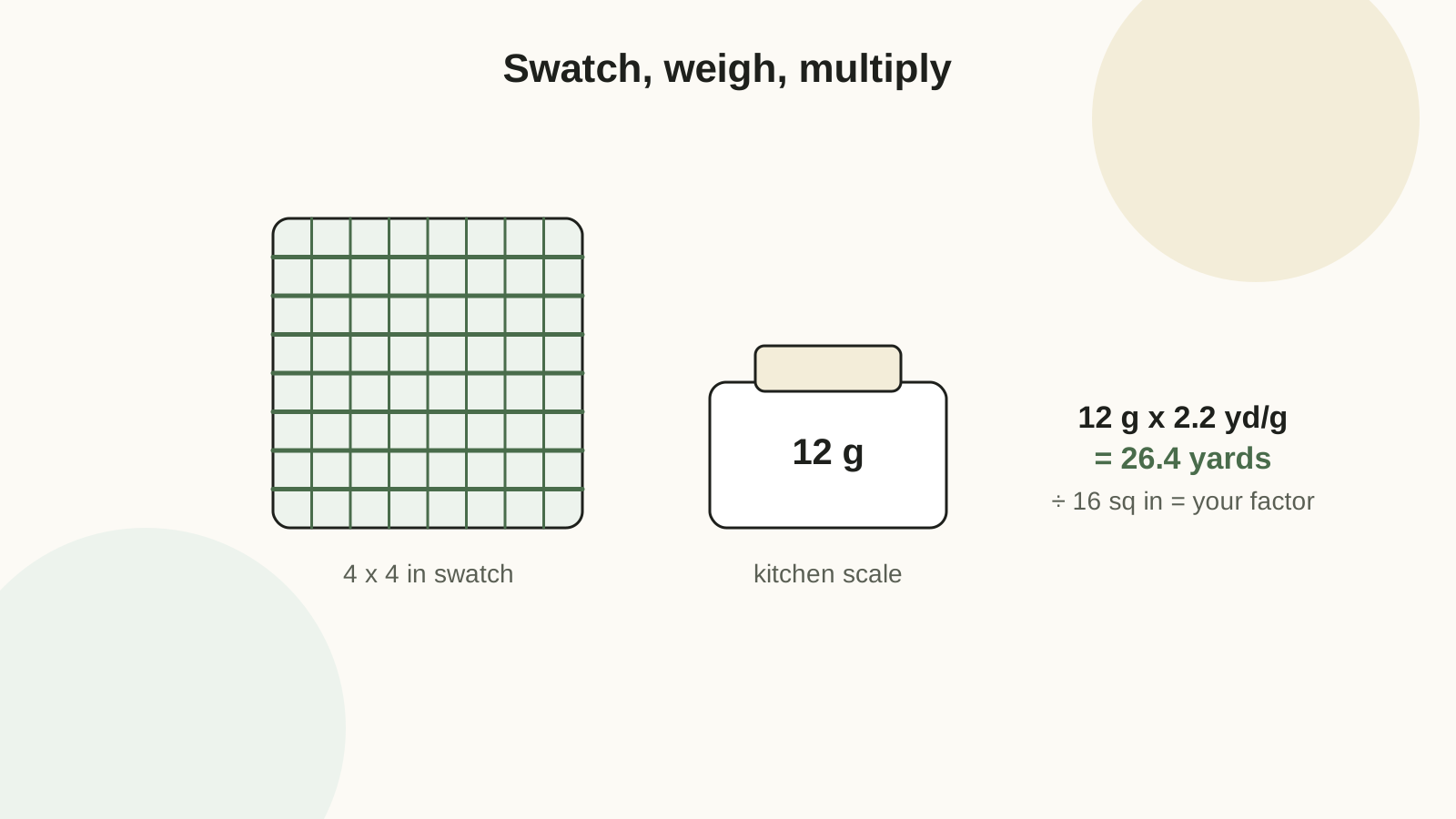
- Work a swatch of at least 4 x 4 inches in the exact stitch pattern, hook or needles, and yarn you plan to use.
- Measure its true width and height; multiply for area.
- Weigh it on a kitchen scale (grams).
- From the skein label's ratio — say 220 yards per 100 g = 2.2 yd/g — convert: swatch grams x 2.2 = yards in the swatch.
- Yards ÷ swatch area = your personal stitch factor for this yarn and tension. Multiply by the project area, add 10%.
Twenty minutes of swatching converts "probably enough" into a number you can order against. It also produces a gauge swatch you needed anyway for anything fitted.
Dye lots: the rule that overrides the math
Skeins dyed in different batches can look identical on the shelf and draw a visible line across your fabric. Check the dye lot number on every label at purchase, and buy the buffer skein in the same order — a perfect estimate is worthless if the matching yarn is gone when row 140 runs short. Stuck mixing lots anyway? Alternate skeins every two rows so the variation blends as subtle striping, or spend the off-lot skein on borders and fringe where a shift reads as a design choice.
Substituting yarn
Compare yards-per-gram, not just the weight category on the label — two "worsted" yarns can differ 20% in actual thickness. Fiber changes the math too: cotton has no stretch and uses more yardage to reach the same drape; wool blooms after washing and fills space; acrylic and superwash stretch under their own weight on large pieces. A thicker or less elastic substitute always means buying extra. And match care requirements when mixing fibers in one project — washable acrylic beside untreated wool means the wool sections felt and warp at the first laundry accident.
When the estimate is enough — and when it is not
Enough: scarves, dishcloths, simple blankets, anything where finishing two inches short is an aesthetic footnote. Not enough: fitted garments, paired items (socks, mittens, matching set pieces), and shaped patterns — for those, use pattern yardage, swatch for gauge, and keep notes on every substitution. The failure mode of paired items is unique: running out on sock two costs you both socks.
For dye-lot yarn, the extra skein goes in the original order, full stop. Unused extra skeins become hats, stripes, and pompoms; unmatched final rows become regret.
FAQ
Is it better to buy too much yarn?
Within reason, yes for dye-lot yarn — one extra skein is insurance. For always-stocked basics, a lean buffer is fine because a matching top-up is a store trip, not a search.
How do I count yarn for fringe?
Decide strand length and count: strands x (length + 1 in for the knot) x strands per tassel point. A fringed scarf edge routinely consumes 40-60 yards — measured, not estimated, because fringe is cut yarn and cannot be reclaimed from a miscount.
What if I'm halfway through and clearly running short?
Weigh the remaining yarn and the finished portion — the ratio tells you exactly where you will land. Options in order of invisibility: shorten the project, add a border in a coordinating color, or alternate the new dye lot in for the final stretch.