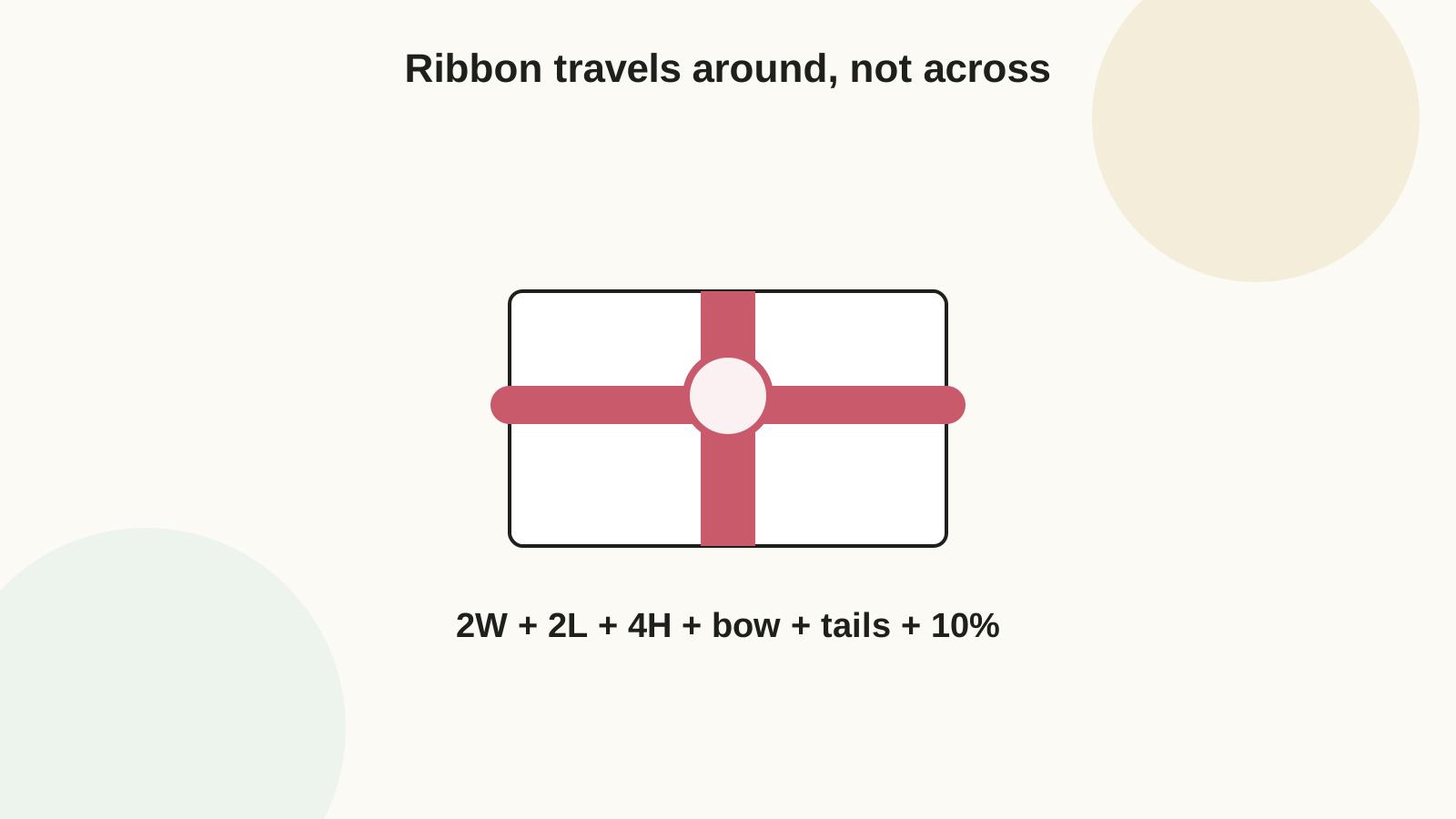
The cross-wrap formula
The classic cross wrap circles the box both ways and ties on top. Written out: 2 x width + 2 x length + 4 x height + bow allowance + tails. Height appears four times — once per side, in both directions — which is exactly why eyeballing "across the top" runs short on anything taller than a shirt box. The ribbon tool runs this formula with a buffer.
Wrap: 2(8) + 2(10) + 4(3) = 48 in. Full bow: +30 in. Tails: +10 in. Buffer 10%: +9 in. Total ≈ 97 in — over 2.5 yards for one medium box. A 15-foot spool wraps just one box like this plus a small one; the "3 yards is plenty" instinct is how wrapping night ends with a twine substitution at 11 pm.
Bow allowance by ribbon width
Wider ribbon needs longer loops to look proportional — the allowance scales with width, not box size:
| Ribbon width | Bow style | Allowance | Suits |
|---|---|---|---|
| 1/4 in | Shoestring bow | 10-12 in | Mini boxes, tags, favor bags |
| 5/8 in | Classic 4-loop | 14-18 in | Jewelry boxes, soap, small gifts |
| 1.5 in | Florist bow, 6-8 loops | 24-30 in | Shirt boxes, wine bottles |
| 2.5 in wired | Statement bow, 10+ loops | 36-48 in | Oversized boxes, wreaths |
If you switch ribbon width after estimating, re-cut one test piece — the same 18-inch allowance that makes a neat 5/8 in bow makes a strangled-looking 2 in one.
Wreaths: plan in sections
Treat a wreath as separate ribbon jobs. An accent bow: 2-3 feet. A bow with long streamers: 4-5 feet. Fully wrapping the wreath form: circumference x (wreath thickness factor of 3-6 depending on overlap) — a 14 in wreath wrapped with generous overlap swallows 3-6 yards before any bow. Buy the wrap and the bow from the same spool lot; ribbon dye varies just like yarn.
Wired versus satin behavior
Wired ribbon holds sculpted loops and recovers from transport crushing — pull the loops open with fingers — but needs the generous end of every allowance because tight-pulled wired loops kink visibly. Satin drapes softly, needs less loop length, and frays at every cut: finish ends with a sharp 45-degree or notched "V" cut. Velvet and textured ribbon are thickness in disguise — they behave a size wider than their label. Grosgrain is the forgiving middle: structured enough to loop, soft enough to knot.
Where estimates actually fail
- Height ignored — the top offender, fixed by the formula above.
- First-bow retries — textured wrapping paper and fragile boxes often need the bow tied twice; add retying slack on anything precious.
- Trimming tails — fraying ribbon needs enough tail to cut clean ends after tying.
- The proportion trap — a bow sized for the ribbon can still overwhelm a small box. Test the pairing, not just the length.
Partial spool strategy
Measure what is left before promising it to a pile of gifts. If it looks close, wrap one sample gift and mark the length with a clip instead of cutting — a marked spool can still change plans; a cut one cannot. Triage the remainder: continuous clean ribbon goes to visible bows, mid-lengths to belly bands and simple knots, short offcuts to tag ties and ornament loops. Wrap the largest boxes first while the spool still offers uncut runs.
Tie the complete wrap-and-bow on the real box. Cramped bow? Add 8 inches to the batch length before cutting the rest. One test piece converts the whole spool from hope to plan.
FAQ
How much ribbon for a circular box?
Base wrap = 2 x (diameter + 2 x height) if crossing both ways, or circumference + height allowance for a single band. Round boxes hide their height even better than square ones — measure around, never across.
Can I iron wrinkled ribbon?
Yes, on low heat with a cotton cloth between iron and ribbon — most ribbon is polyester or nylon and scorches fast. For wired ribbon, finger-shaping usually beats ironing.
How do I tie a florist bow by hand?
Fold loops back and forth in your hand like an accordion, pinching the center flat each pass. Wrap thin floral wire or twine tight around the pinch, fluff the loops outward, then wire the finished bow onto the wrapped box.