The baseline number
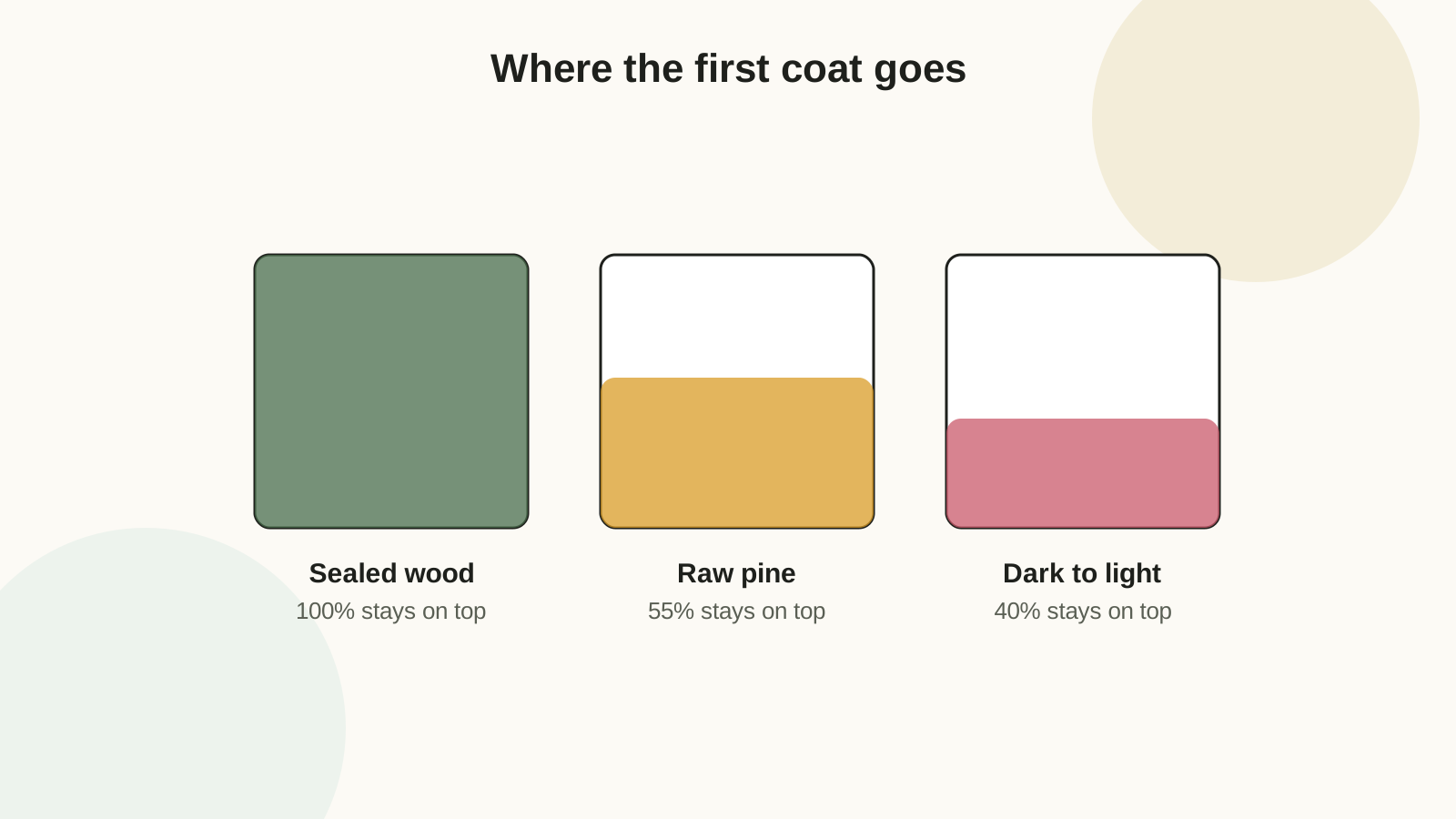
A standard 2 oz bottle of acrylic craft paint covers roughly 3 to 4 square feet (430-570 sq in) — on a smooth, sealed surface, in one coat. Every real project erodes that number: raw wood and cardboard drink the first coat, light-over-dark color changes demand extra coats, curved surfaces take more brushwork than their measured area suggests. Estimate from the table below, then verify with one painted sample.
Coverage by surface
| Surface | Typical coats | Sq in per fl oz | Prep that protects the estimate |
|---|---|---|---|
| Sealed or primed wood, MDF | 1-2 | 280-320 | Light 220-grit sanding, wipe clean. |
| Raw pine, cardboard, paper mache | 2-3 | 140-180 | One coat of white gesso primer — it locks the fibers so color stays on top. |
| Terracotta and clay | 2 | 200-240 | Clear matte spray inside and out; unsealed clay wicks moisture through the paint film. |
| Pre-primed canvas | 1-2 | 300-350 | None. |
Add 40% on top of any row for a dark-to-light color change, or put down a cheap white base coat first and save the expensive color for the top. The paint coverage helper applies these surface factors automatically.
Each ornament: two 3-inch-diameter faces plus the rim ≈ 16 sq in of painted surface. Batch: 24 x 16 = 384 sq in. Raw wood at ~160 sq in per oz and 2 coats → 384 x 2 / 160 ≈ 4.8 oz, so three 2 oz bottles — but prime first: one gesso coat costs ~2.4 oz of cheap primer and usually saves a full coat of color, bringing color down to two bottles plus touch-up margin. Paint one ornament, weigh or eyeball the bottle before and after, and multiply from reality before buying.
Why the one-sample method beats every formula
A painted sample answers the three questions no calculator can: does this color actually cover this surface, do brush marks show at this viscosity, and do the edges drink faster than the face (they almost always do). Paint the sample with the same applicator you will use for the batch, note how much paint is gone, and multiply. If the first coat looks streaky on the sample, budget another coat now — not after bottle three runs dry mid-batch.
Buying for a matching batch
Two bottles with the same color name can dry to visibly different shades — across brands, and sometimes across production lots of one brand. For wedding favors, party signs, or any set displayed together: buy all the paint up front, and if you are mixing a custom color, mix the entire quantity in one sealable container before the first piece is painted. One extra small bottle is cheaper than one mismatched final row. Acrylic skins over in minutes in an open cup; a sealable container keeps a mixed batch workable across a weekend.
Thinning without ruining the paint
Thick paint dragging heavy brush marks? Thin with water only up to about 20%. Past that, the water dilutes the acrylic binder and the dried film turns chalky and scrapes off. For thinner flow with full adhesion, use an acrylic flow improver or matte medium instead — they loosen viscosity while preserving the polymer that makes paint stick. This matters most on slick or sealed surfaces where a weak film simply peels.
Brush, sponge, or roller
A soft brush gives control on edges and small ornaments but leaves strokes on flat signs. A foam brush lays smoother color and dies quickly on textured surfaces. A small foam roller is fastest and flattest for signs and trays — and not worth cleaning for anything smaller than a postcard. Whichever you choose, use the same applicator for the sample and the batch: a roller and a brush can differ by a third in paint consumption on the same piece.
Timing: coats, tape, and cure
Recoat acrylic after 20-30 minutes — dry to a gentle press, not sliding. A light 320-grit pass between coats gives signs a near-sprayed finish. But dry and cured are different: wait 24 hours before applying painter's tape over painted areas, use low-tack tape, and pull it back at a sharp angle. Tape peeling paint off almost always means taping over uncured paint or painting over an unwashed surface.
Coverage claims assume smooth, sealed, flat surfaces. A wooden ornament edge, a paper mache curve, or a thirsty chipboard box can consume double the flat-face estimate. The sample piece is the only claim that counts.
FAQ
Should primer count as a paint coat?
Count it separately — it is a different material at a different price. On raw wood, primer usually pays for itself by removing one or two color coats and producing a smoother final surface.
How much extra paint should I buy?
One-off project: a 15-20% buffer. Matching batch: at least one extra bottle, or an oversized single mixed batch — touch-ups mixed later never match.
What is the difference between matte, satin, and gloss?
Matte hides surface flaws and stains easily; gloss resists water and stains but spotlights every brush mark and wood grain flaw; satin splits the difference and is the safest default for decor pieces.